
How Important Is Local Market Experience When Choosing a Realtor?
How Important Is Local Market Experience When Choosing a Realtor?
Local market experience is an important factor when choosing a Realtor to sell your home because an agent needs to understand more than general real estate practices. The agent should be familiar with your specific community, the types of properties buyers are looking for, competing listings, recent comparable sales, and the features that can influence how your property is priced and marketed.
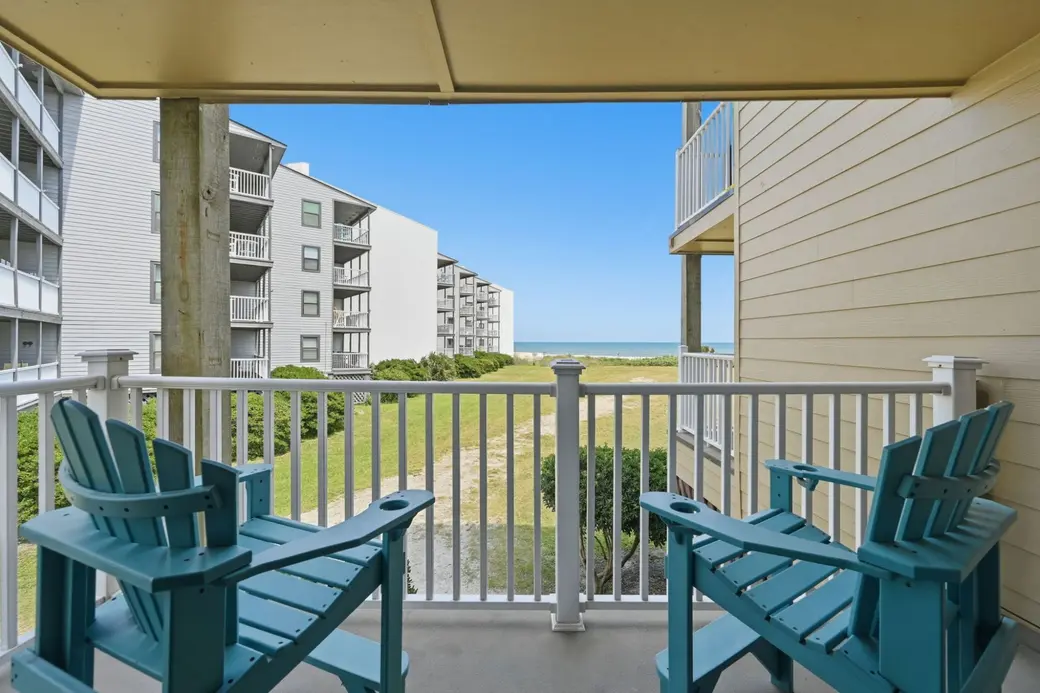
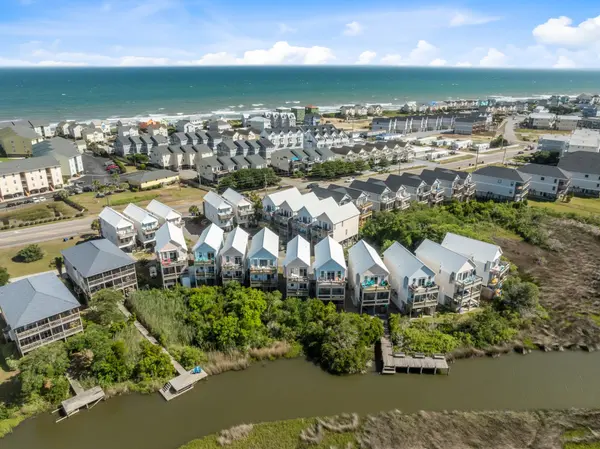
For homeowners in Surf City, Topsail Beach, North Topsail Beach, Holly Ridge, Sneads Ferry, and surrounding Coastal North Carolina communities, local knowledge can be especially valuable. Selling an oceanfront condominium, a waterfront home, a vacation rental, and an inland primary residence may require different pricing considerations, marketing strategies, and preparation.
However, working with a local Realtor does not automatically guarantee a better result. The goal is to find an agent who can demonstrate relevant experience and explain how that knowledge will benefit your particular sale.
Why Does Local Market Experience Matter When Selling a Home?
A Realtor may have years of general real estate experience but limited experience in the specific community where your property is located. That distinction matters because real estate markets can vary considerably between neighboring towns, neighborhoods, and property types.
An agent familiar with your market should be able to explain how your home compares with similar properties, what buyers may value about its location, which competing listings deserve attention, and how those factors influence the recommended pricing and marketing strategy.
When interviewing listing agents, look for specific examples of how their local experience translates into a practical plan for your property.
1. Understanding Your Specific Local Market
Coastal North Carolina is not one uniform real estate market. Surf City, Topsail Beach, North Topsail Beach, Sneads Ferry, Holly Ridge, Wilmington, and Jacksonville each have different communities and property types.
Even within the same town, the factors influencing a property's appeal can vary.
For example:
-
Surf City: A property near the beach may appeal to a different buyer audience than an inland primary residence. Beach access, location, views, and the property's intended use can influence how it should be presented.
-
Topsail Beach and North Topsail Beach: Oceanfront properties, beach cottages, condominiums, and second homes may require different marketing approaches based on their features and likely buyers.
-
Sneads Ferry: Waterfront access, docks, bulkheads, and the property's relationship to the surrounding waterway may be important considerations for certain homes.
-
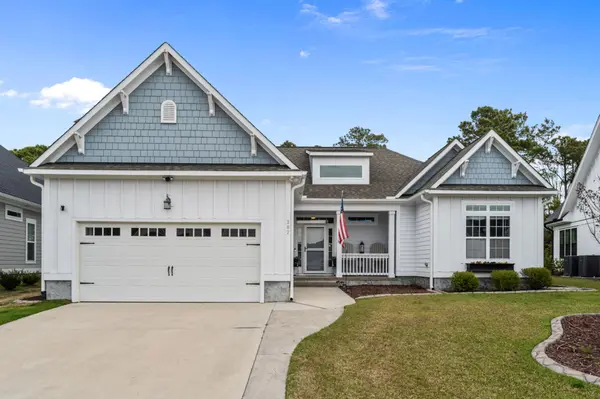
Holly Ridge: A primary residence may need to be evaluated against competing homes with similar layouts, locations, features, and price points.
-
Wilmington and Jacksonville: Neighborhood, property type, location, and the characteristics of competing homes can all influence a listing strategy.
These are examples of property-specific considerations, not assumptions about current demand or market performance. A knowledgeable listing agent should be able to explain which factors are relevant to your home and support recommendations with appropriate information.
2. Pricing Your Home With Relevant Local Information
One of the most important responsibilities to evaluate when choosing a listing agent is the ability to explain a recommended asking price.
An agent should be able to discuss recent comparable sales, current competing listings, property condition, distinctive features, and available information about current market activity.
Historical sales provide an important starting point, but they do not tell the entire story. A home that sold several months ago may offer useful context, while current competition and buyer activity may influence how your property should be positioned today.
This is particularly relevant in coastal markets, where two properties with similar square footage may differ in meaningful ways because of location, water views, beach access, condition, or other property-specific characteristics.
When interviewing a Realtor, ask:
-
Which recent sales are most comparable to my property?
-
What competing homes should we consider?
-
How do my home's features affect the recommended price?
-
What does current market activity suggest about our positioning?
-
How will we reassess the strategy if buyer response differs from expectations?
A strong pricing discussion should explain the reasoning behind the recommendation rather than simply present a number designed to win your listing.
3. Knowing How to Market Your Type of Property
Local experience also helps an agent develop a marketing plan suited to the property being sold.
A beach home may benefit from photography that accurately presents its outdoor living areas, views, beach access, and coastal setting. A waterfront property may need clear presentation of its water access and outdoor features. A condominium may require careful attention to its layout, amenities, community features, and relevant association information.
Vacation rentals and second homes can introduce additional considerations. Depending on the property, sellers may need to organize information about furnishings, rental history, applicable association rules, or other details that prospective buyers may want to evaluate. Questions involving rental regulations, income, taxes, or insurance should be addressed with the appropriate qualified professional when necessary.
Ask prospective listing agents to show you examples of how they have marketed properties similar to yours and explain which elements they would emphasize in your listing.
The important question is not simply whether an agent advertises homes online. It is whether the proposed marketing strategy fits your property's features and likely audience.
4. Recognizing Coastal Property Considerations
Selling a home in Coastal North Carolina can involve property characteristics that deserve attention beyond the usual listing photographs and floor plan.
Depending on the location and type of property, these may include:
-
Flood-zone information and applicable insurance considerations.
-
Salt-air exposure and the condition of exterior materials.
-
Beach access, waterfront features, docks, or bulkheads.
-
Septic systems or other property-specific infrastructure.
-
Condominium or homeowners association documentation.
-
Features associated with second homes or vacation rental properties.
A Realtor with relevant coastal experience can help identify questions that may affect the listing process and coordinate with appropriate professionals when specialized information is needed.
That does not mean a listing agent replaces an insurance professional, inspector, surveyor, engineer, attorney, or other specialist. Rather, the agent should understand when a property-specific issue needs further investigation and help the transaction move forward with the appropriate information.
For sellers of oceanfront, sound-front, and waterfront properties, asking about this experience can be particularly useful.
5. Understanding Local Buyer Expectations
A listing agent should be able to explain the likely audience for your property and how its features may appeal to prospective buyers.
Depending on the location, that audience could include year-round residents, people relocating to the area, second-home buyers, vacation property buyers, or investors.
The agent should not assume that every coastal property is primarily an investment or vacation rental opportunity. Nor should the agent make unsupported claims about rental income or future appreciation.
Instead, ask how the agent would identify the most relevant buyer audience and present the property's genuine strengths.
For example, a home with convenient access to local amenities may need a different presentation from an oceanfront property whose main features are its views, beach access, and outdoor living areas.
Understanding the property and its likely buyers helps shape decisions about photography, listing descriptions, online exposure, and the information made available to prospective purchasers.
6. Evaluating Competition and Current Market Conditions
A Realtor's familiarity with an area should extend beyond knowing where homes are located.
When preparing to list a property, an agent should be able to explain how the home compares with properties currently offered for sale and discuss reliable information about recent sales and pending activity when available.
This matters because the market a homeowner remembers from the previous year may not be the same market they are entering today.
Ask your prospective listing agent:
-
Which homes are my most relevant competitors?
-
How does my property compare with those listings?
-
What changes in the market could affect our strategy?
-
How will you keep me informed about competing listings and buyer response?
-
When would you recommend reviewing our pricing or presentation?
Current market statistics should be verified for the appropriate geography, property type, and time period. Broad county-wide or regional figures may not accurately describe the market for a particular beach condominium or waterfront home.
A useful market analysis should be specific enough to help you make an informed decision about your own property.
Is a Local Realtor Always Better Than an Agent From Outside the Area?
Not necessarily. An agent does not have to live in the same town as your property to represent you effectively.
What matters is whether the agent has relevant knowledge of the specific market, experience with similar properties, access to reliable market information, and a clear plan for pricing, marketing, communication, and transaction management.
An agent based nearby who rarely handles properties like yours may not be the best fit. Conversely, an agent based in a neighboring community may have substantial experience selling homes in your area.
For example, a homeowner selling an oceanfront condominium on Topsail Island should evaluate an agent's experience with comparable coastal properties rather than relying solely on the agent's office location.
When comparing Realtors, look for demonstrated familiarity with your community and property type. Ask for examples, review the proposed plan, and determine whether the agent can explain the reasoning behind important recommendations.
How Can You Verify a Realtor's Local Experience?
Rather than relying only on an agent's website or marketing materials, ask for evidence that their experience is relevant to your sale.
Consider these steps:
Review comparable listings and sales. Ask whether the agent can discuss recent transactions involving properties similar to yours in location, type, and price range.
Examine client feedback. Read reviews for specific comments about communication, pricing guidance, problem-solving, and the overall selling experience. Consider the context of the reviews rather than relying solely on a star rating.
Ask about the marketing plan. Request an explanation of how the agent will present your home, distribute the listing, reach prospective buyers, and monitor listing performance.
Discuss communication. Find out how often you can expect updates, how showing feedback will be handled, and how market changes will be communicated.
Ask about transaction management. Understand what support will be available after an offer is accepted, including coordination of important deadlines, inspections, appraisal activity, and financing milestones as applicable.
Compare more than one agent. Interviewing multiple listing agents gives you an opportunity to compare their local knowledge, pricing explanations, marketing plans, and proposed services.
The goal is to determine whether the agent's experience is supported by relevant examples and a clear plan for your property.
How Does Streamline Realty Team Apply Local Market Experience?
Streamline Realty Team, led by Managing Broker Matt Jones and operating under Real Broker, LLC, serves homeowners throughout Coastal North Carolina, including Surf City, Topsail Beach, North Topsail Beach, Holly Ridge, Sneads Ferry, Wilmington, Jacksonville, Pender County, and Onslow County.
The team has experience representing a range of property types, including coastal homes, oceanfront and waterfront properties, beach houses, vacation homes, second homes, investment properties, condominiums, townhomes, luxury properties, and primary residences.
Streamline has exceeded $250 million in closed real estate sales and has received multi-year recognition through RealTrends' America's Best Real Estate Professionals. These credentials provide context when evaluating the team's experience, but homeowners should also consider the team's specific experience with their location and property type.
For sellers, the team's approach includes a general pricing philosophy that considers historical comparable sales alongside current competing listings, available pending activity, buyer demand, property condition, and market response.
Its listing marketing strategy may include professional photography, drone photography, floor plans, video, digital and social media marketing, and enhanced listing exposure through Zillow Showcase, Realtor.com promotional products, and Homes.com Boost where applicable.
Streamline also uses listing coordination, transaction coordination, Seller communication, showing-feedback monitoring, and transaction milestone tracking to support the selling process.
The services used for an individual property depend on the listing and its marketing strategy. Homeowners should ask how the proposed services would apply to their specific property and what they can expect throughout the transaction.
Questions to Ask Before Hiring a Listing Agent
Before choosing a Realtor, consider asking these questions during your initial consultation:
-
How much experience do you have selling properties in my specific community?
-
Have you represented homes similar to mine?
-
How would you determine an appropriate listing price for my property?
-
Which competing listings and recent sales would you use in your analysis?
-
What would your marketing plan include for my particular home?
-
How will you communicate showing feedback and changes in market conditions?
-
What support will I receive after my property goes under contract?
-
Can you provide verifiable examples of relevant experience and client feedback?
Pay attention not only to the answers but also to how clearly the agent explains them. You should understand the proposed strategy, the reasoning behind it, and the services you are considering before deciding whom to hire.
Is Local Market Experience Worth Prioritizing When Selling Your Home?
Yes. Relevant local market experience is an important factor when choosing a listing agent, especially when your property has characteristics that require market-specific knowledge.
However, it should be considered alongside pricing ability, property-specific marketing, communication, negotiation, transaction management, and verifiable client feedback.
For homeowners in Surf City, Topsail Beach, North Topsail Beach, Sneads Ferry, Holly Ridge, and surrounding Coastal North Carolina communities, the best next step is to compare agents based on what they can demonstrate and how well their proposed plans fit your property.
Thinking about selling your Coastal North Carolina home?
Streamline Realty Team can help you evaluate your property's position in the local market, discuss relevant comparable sales and current competition, and explore a marketing strategy suited to your home.
Contact Streamline Realty Team to schedule a Seller consultation and discuss your property, your goals, and the steps involved in preparing for a sale. The conversation is an opportunity to ask questions, review the proposed approach, and decide whether the team is the right fit for you.
Categories
Recent Posts




GET MORE INFORMATION
